
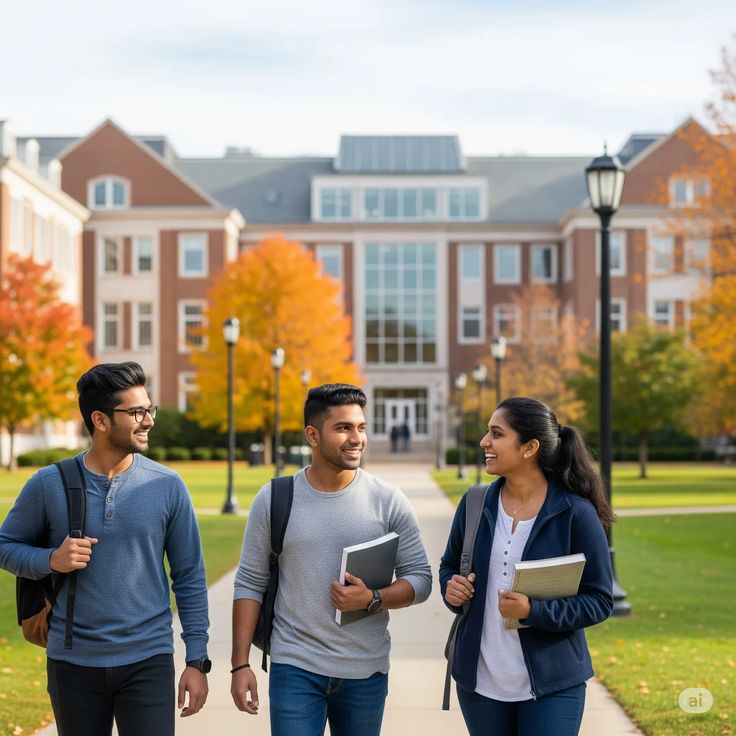
Preparing to study abroad is an exciting milestone, but it also requires careful planning to ensure a smooth transition. Many students focus mainly on admissions and visa approvals, but the period just before departure is equally important. Having a well-organized pre-departure checklist helps students avoid last-minute stress, ensures compliance with international regulations, and prepares them for a comfortable start in their new country.
Whether you are traveling to the United States, United Kingdom, Canada, or Australia, the following checklist will help you prepare effectively for your international education journey.
1. Organize All Important Documents
Before departure, ensure that all your essential documents are properly arranged and safely stored in both physical and digital formats.
Key documents include:
- Passport with valid visa
- University admission letter
- Fee payment receipts
- Academic certificates and transcripts
- Health insurance documents
- Accommodation confirmation
- Travel tickets
- Passport-size photographs
- Emergency contact list
Keep photocopies of these documents in a separate folder and upload scanned copies to cloud storage for easy access.
2. Arrange Accommodation in Advance
Having confirmed accommodation before arrival reduces stress and ensures safety. Students can choose from:
- University hostels
- Student residences
- Shared apartments
- Homestay options
Make sure to verify the location, rental agreement terms, and transportation availability from the accommodation to your campus.
3. Plan Your Finances
Financial preparation is crucial for a comfortable stay abroad. Students should:
- Open an international debit/forex card
- Carry limited local currency for initial expenses
- Understand international bank transfer options
- Set a monthly budget for rent, food, transportation, and personal expenses
- Arrange an education loan or sponsor documents if required
Proper budgeting helps students manage expenses without financial stress.
4. Students Planning to Study Overseas
Many countries require international students to have valid health insurance coverage. Before traveling:
- Purchase approved student health insurance
- Carry medical prescriptions and health records
- Pack essential medicines
- Complete any required vaccinations
Being medically prepared ensures immediate support in case of emergencies.
5. Pack Smart and According to Airline Rules
Packing efficiently saves both time and money. Students should:
- Check airline baggage limits
- Pack weather-appropriate clothing
- Carry universal power adapters
- Include essential study materials
- Avoid carrying restricted items
Create a packing checklist to ensure nothing important is left behind.
6. Understand Local Rules and Culture
Learning about your destination country’s culture, laws, and social norms helps in faster adaptation. Students should:
- Learn basic local etiquette
- Understand public transport systems
- Know emergency contact numbers
- Familiarize themselves with student work regulations
Cultural awareness helps students feel more confident in a new environment.
7. Attend Pre-Departure Orientation
Many study abroad consultancies and universities conduct pre-departure sessions to guide students about:
- Immigration procedures
- Airport arrival steps
- Accommodation check-in processes
- Safety tips
- Academic expectations
Attending these sessions prepares students for real-life situations they may encounter after arrival.
8. Stay Connected with Family and Advisors
Before leaving:
- Activate international roaming or purchase a global SIM
- Share travel details with family
- Save important contacts such as university advisors and embassy numbers
- Join student groups or online communities for your university
Staying connected provides emotional comfort and practical support during the initial days abroad.
Conclusion
A well-prepared pre-departure plan ensures that students begin their international education journey with confidence and peace of mind. From organizing documents and finances to packing essentials and understanding cultural expectations, each step plays an important role in a successful transition. With proper preparation and guidance, students can focus on their academic goals, explore new opportunities, and make the most of their global learning experience.
Studying overseas is not only a major academic step but also a personal journey that shapes independence, global awareness, and professional growth. Careful pre-departure preparation ensures that students start this journey with clarity and confidence rather than stress and uncertainty. When every detail—from documents and finances to accommodation and travel planning—is properly organized, students can fully focus on adapting to their new academic environment and building meaningful international experiences.
A structured checklist also minimizes unexpected challenges during the first few weeks abroad, helping students settle faster and begin their studies without distractions. Proper planning allows them to explore new cultures, participate in campus activities, and take advantage of networking opportunities that contribute significantly to long-term career success.